

Discovering Kata Tjuṯa: Cultural Significance of Kata Tjuṯa to the Aṉangu People
Kata Tjuṯa, though less widely known than Uluṟu, is equally rich in cultural importance and natural beauty. For the Aṉangu, the traditional custodians of this land, Kata Tjuṯa is not just a collection of striking domes—it is a sacred Aboriginal site, woven into their Tjukurpa (law, culture, and creation stories) and spiritual identity. The name “Kata Tjuṯa,” meaning “many heads” in the Pitjantjatjara language, speaks to the site’s complex form and its equally intricate cultural meaning.
Far more than a geological wonder, Kata Tjuṯa is a living cultural landscape. Each of its 36 formations is tied to ancestral beings and ancient stories that continue to guide Aṉangu life today. Certain areas within Kata Tjuṯa are sacred men’s sites, where traditional ceremonies are held. These spaces hold deep ancestral significance and are respected as part of the cultural responsibilities passed down through generations.
Located about 50 kilometres west of Uluṟu in the heart of Australia’s Red Centre, Kata Tjuṯa is part of the Uluṟu-Kata Tjuṯa National Park, recognised as a UNESCO World Heritage site for both its natural and cultural values. For the Aṉangu, this is not just a landscape—it is a living story, rich with meaning, spirit, and enduring connection.
How Was Kata Tjuṯa Formed?
Kata Tjuṯa’s dramatic domes may seem otherworldly, but their origins lie deep in the ancient geological history of Central Australia. Around 500 million years ago, natural forces began shaping the landscape we see today. Massive mountains once towered over this region, and as they eroded over time, their broken rocks, fragments of granite, basalt, and sandstone, were swept into valleys by water and gravity, forming a dense layer of rock and sand.
Over millions of years, pressure from overlying material compressed this mix into a solid rock called conglomerate. Then, tectonic forces pushed and tilted the land, lifting these hardened layers and exposing them to the elements. Wind, rain, and extreme desert temperatures slowly sculpted the soft outer layers away, revealing the 36 rounded domes of Kata Tjuṯa we see today.
The result is a striking landscape of towering red formations that shift from deep ochre to purple and red during sunrise and sunset.
How to Get to Kata Tjuṯa: Travel Tips for Visiting Australia’s Red Centre
Road Trip from Alice Springs to Kata Tjuṯa
Reaching Kata Tjuṯa involves an exciting journey through the heart of Australia. Most visitors begin their adventure from Alice Springs, approximately 450 kilometres away – a classic Outback road trip that prepares travellers for the wonders ahead.
Exploring Kata Tjuṯa: Hikes, Walks, and Cultural Experiences
Kata Tjuṯa offers a remarkable journey into one of Australia’s most sacred and visually striking landscapes, where towering rock domes, rich cultural stories, and immersive walking trails invite deep connection with the land.
The Best Walks at Kata Tjuṯa
Kata Tjuṯa is home to a range of captivating walking trails that lead visitors deep into its rugged, ancient landscape. These paths offer a chance to experience the area’s remote beauty. Each walk reveals a unique perspective that is quiet, expansive, and rich in natural wonder. Among the most renowned are the Walpa Gorge Walk and the Valley of the Winds, each offering a distinct journey through towering rock formations, desert flora, and breathtaking views
Walpa Gorge Walk: A Desert Refuge

The Walpa Gorge Walk guides visitors through a sacred and tranquil valley where nature and culture intertwine. This 2.6-kilometre return trail typically takes 1 to 2 hours to complete. The sheltered gorge supports a unique micro-environment where native desert plants thrive. Cool breezes flowing through the gap between the domes nurture this vibrant pocket of life, creating a stark contrast to the surrounding arid landscape.
For the Aṉangu people, Walpa Gorge is more than just a natural refuge, it is a place of deep cultural importance. The towering rock walls and the plants within the gorge hold spiritual meaning and are integral to ceremonies and traditional knowledge passed down through generations. Walking through this landscape offers visitors not only a glimpse into the incredible resilience of the desert ecosystem but also a profound connection to the ancestral heritage and enduring relationship the Aṉangu maintain with the land.
Valley of the Winds Walk: Kata Tjuṯa’s Immersive Hike with Breathtaking Views
The Valley of the Winds Walk is the longest trail at Kata Tjuṯa, offering a memorable journey through stunning landscapes of towering red domes and peaceful valleys. This 7.4 km loop will take you to Karu and Karingana, secluded lookout points, where expansive views stretch across the rugged terrain. Winding through this dramatic environment, the trail invites visitors to connect with the land that holds deep cultural significance for the Aṉangu people. The route passes through areas that are integral to ancestral stories and traditional practices, reflecting a living connection between nature and culture. Away from the crowds, the walk offers a rare opportunity to appreciate both the natural beauty and the enduring heritage of this sacred landscape, making it a truly unforgettable experience.
Scenic Lookouts: Karu and Karingana
The Valley of the Winds trail features two main lookout points, each offering breathtaking views of Kata Tjuṯa’s majestic domes. The Karu Lookout is an easier option, taking around 1 hour for the 2.2 km return walk. For those seeking a challenge, the Karingana Lookout requires a 2.5-hour return journey covering 5.4 km, but the sweeping vistas make it well worth the effort. The full circuit, stretching 7.4 km, is a true testament to adventure—testing your endurance while revealing some of the Red Centre’s most unforgettable landscapes.
Sunset at Kata Tjuta: A Must-See Experience
For a breathtaking end to any walk, watching the sunset at Kata Tjuṯa is a truly memorable experience. The designated sunset viewing area offers a stunning view as the domes reflect the fading light, shifting into shades of deep red and purple—a moment that highlights the beauty and stillness of Australia’s central desert landscape.
Breathtaking Landscapes and Unique Geological Features
Along the trail, the desert landscape gradually reveals its striking features—unusual rock formations, sheer drop-offs, and narrow passageways shaped by time and wind, with gentle currents of air moving through the valley that gives it its name.
Flora and Fauna of the Valley of the Winds
Native Plants Along the Trail
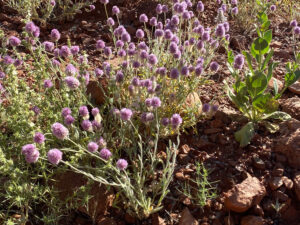
Flora indigenous to this region embellishes the route, offering bursts of life and colour against the striking red earth. Hikers will encounter desert acacias, which provide shade and are often alive with the sounds of native birds. Spinifex grasses, with their spiky tufts and golden hues, dominate the landscape and help stabilise the fragile desert soil.
During the cooler months or after rare desert rains, seasonal wildflowers such as mulla mulla and desert peas in unexpected pockets along the trail, add vibrant splashes of pink, purple, and yellow. These native plants not only beautiful but also play a critical role in supporting local wildlife, offering food and habitat in an otherwise harsh environment.
Wildlife in Kata Tjuṯa’s Wilderness

Kata Tjuṯa’s rugged landscape is home to fascinating wildlife, including the perentie lizard, Australia’s largest monitor lizard, and the elusive dingo. Perenties can often be seen basking on sun-warmed rocks or slipping swiftly through the shadows cast by the towering domes. Dingoes, though shy and rarely spotted up close, play a crucial role as apex predators, helping to maintain the delicate balance of the desert ecosystem.
Beyond these larger animals, you might also spot smaller creatures such as the thorny devil, zebra finches, and migratory birds that rely on Kata Tjuṯa’s scarce water sources. Each wildlife encounter deepens the connection to this unique environment, a stark reminder that this harsh, arid landscape is teeming with resilient life uniquely adapted to the extreme conditions of Australia’s Red Centre.
When Is The Best Time to Hike the Valley of the Winds
It’s essential to start early in the day to avoid the midday heat, ensuring a safer and more pleasant trek through one of Australia’s most iconic hiking trails. In the winter months, visitors can experience cooler temperatures in the early morning and late evening, and warm layers are recommended.
Planning Your Kata Tjuṯa Adventure
When planning your visit to Kata Tjuṯa, joining a SEIT guided tour offers a unique way to experience this extraordinary landscape. Located about 50 kilometres from Uluṟu, Kata Tjuṯa can be explored with the expert guidance of SEIT’s knowledgeable guides who share deep cultural insights and stories.
Traveling with SEIT also ensures a smooth, stress-free experience with comfortable transportation and thoughtfully planned itineraries, allowing you to focus on absorbing the breathtaking views and cultural richness without worry. From hidden spots off the beaten path to explanations of the flora, fauna, and geology, a SEIT tour transforms your visit into an unforgettable journey. SEIT also offers a range of Red Centre tours including Uluṟu tours.
How to Get to Kata Tjuṯa
- From Uluṟu: Just a 45-minute drive via Lasseter Highway and Kata Tjuṯa Road
- From Alice Springs: Approximately a 5-hour drive, offering a scenic journey through the heart of the Northern Territory
- Guided Tours: Discover Kata Tjuṯa’s stunning landscapes and cultural richness through SEIT’s small group tours. From exploring the iconic domes to venturing into the Valley of the Winds, awaken your spirit amidst Australia’s stunning Outback. Explore our range of Kata Tjuṯa tours here.
Best Time to Visit Kata Tjuṯa
Timing your visit is essential to fully enjoy the walks and viewpoints. The best season to explore Kata Tjuṯa is during the Australian winter (May to September). During these months, temperatures are cooler and the skies are typically clear—perfect for hiking, photography, and extended time outdoors.
- Mild daytime temperatures: Comfortable for long walks
- Clear desert skies: Enhance sunrise and sunset viewing
What to Pack for Hiking at Kata Tjuṯa
Packing smart can make a big difference. Given the remote location and desert climate, your backpack should include:
- Sun protection: Wide-brimmed hat, SPF 30+ sunscreen, sunglasses, long sleeved light weight top/shirt
- Hydration: Carry 2–3 litres of water per person
- Snacks: Energy-dense foods to sustain you on longer trails. Ensure you do not leave any rubbish behind!
- Clothing: Breathable layers and sturdy hiking boots
- Navigation and safety: Trail map, fully charged phone, and a basic first-aid kit
Why Visit Kata Tjuṯa
The rewards of exploring Kata Tjuṯa go far beyond the stunning landscapes. Each section of the trails reveals stories etched into the land over millennia, representing both a sacred Aboriginal landscape and a thriving ecosystem.
- Spiritual significance: Tied closely to Aṉangu creation stories and traditions
- Biodiversity: A surprising array of desert flora and fauna flourishes in this harsh environment
- Immersive solitude: A rare chance to disconnect and reflect among ancient formations
Frequently Asked Questions
1. What is the best walk at Kata Tjuṯa?
The best walk at Kata Tjuṯa varies by personal preference, but the Valley of the Winds is often championed for its breathtaking scenery and as a rewarding walk.
2. How far is Kata Tjuṯa from Uluṟu?
Kata Tjuṯa is approximately 50 kilometers away from Uluṟu, about a half-hour drive, making it a convenient stop on your Red Centre itinerary.
3. What should you do at Kata Tjuṯa when not hiking?
Besides hiking, visitors can engage in cultural tours with a local or Aṉangu guide, enjoy the stunning sunset at the Kata Tjuṯa viewing area, or explore the surrounding desert landscapes.
4. Is the Kata Tjuṯa hike suitable for beginners?
Some trails at Kata Tjuṯa, like the Walpa Gorge Walk, are suitable for beginners, but the Valley of the Winds is more challenging and best suited for those with some hiking experience.
5, What is special about the Kata Tjuṯa Valley of the Winds trails?
The Valley of the Winds trail stands out for its dramatic landscapes, sweeping views, and cultural significance. Winding through towering domes and ancient valleys, the trail offers a physically engaging experience that rewards you with breathtaking vistas at lookouts like Karu and Karingana. Beyond the scenery, this walk holds deep cultural importance for the Aṉangu. As you move through the landscape, you’re walking across sacred ground—a place woven with stories, traditions, and knowledge passed down for generations. It’s not just a hike; it’s a journey through one of Australia’s most spiritually and geologically significant places.