
Outback Stargazing Guide: Best Spots and Times to View the Night Sky
Why the Outback is Perfect for Stargazing
1. The Unique Atmospheric Conditions
The Australian Outback provides an unrivaled setting for stargazing, with its expansive skies serving as nature’s observatory. One of the key features that makes the Outback such a perfect stargazing location is the clarity of its atmosphere. The dry air and absence of light pollution allows for unparalleled views of the night sky, offering a pristine environment where stars shine brightly and celestial bodies are remarkably vivid.
Without the interference of city lights, stargazers can enjoy a spectacular display, free from obstructions. The Outback’s dry climate plays a crucial role as well, reducing atmospheric turbulence that often blurs the view of stars and planets. This combination makes the night sky viewing in Central Australia a sought-after experience for both amateur and seasoned astronomers.
2. Geographical Advantages
The geographical makeup of the Outback helps it stand out as an exceptional stargazing location. Situated far from major cities, its remoteness is beneficial, significantly reducing light pollution and allowing for clearer skies and better stargazing opportunities. The Red Centre is noted for its isolation, where the horizon line is wide and uninterrupted, offering expansive views that are perfect for observing celestial events.
Far from the artificial lights and urban bustle, this vast landscape gives stargazers the advantage of truly engaging with the cosmos. Imagine being enveloped in a panoramic dome of countless stars, each twinkling as part of a grand celestial show. The isolation of locations like Uluṟu and other spots in the Red Centre means less atmospheric interference, guaranteeing a more immersive experience.
3. Cultural and Historical Significance
Stargazing in the Outback is steeped in cultural and historical depth, as Indigenous Australians have been guided by the stars for tens of thousands of years. The celestial patterns served not only as navigational aids but also as integral parts of cultural lore and identity. These constellations tell stories passed down through eras, encompassing lessons of the land, the seasons, and the cycles of life.
For Aboriginal people, the stars are deeply intertwined with spirituality and daily life. In Aṉangu tradition, the stars serve as both historical record and teaching tool, imparting knowledge about the land and life lessons meant to guide behavior. Stars and celestial bodies play a significant part in Dreamtime stories, a significant part of Indigenous heritage.
Both ancient and modern inhabitants of the Outback use the stars to navigate and understand the vast landscape around them. To gaze upwards in the Outback is to connect with those in the past and present who share a common curiosity and appreciation for the stars.
The Spiritual Connection – Stars & Aṉangu Culture
Aṉangu Stories and the Night Sky
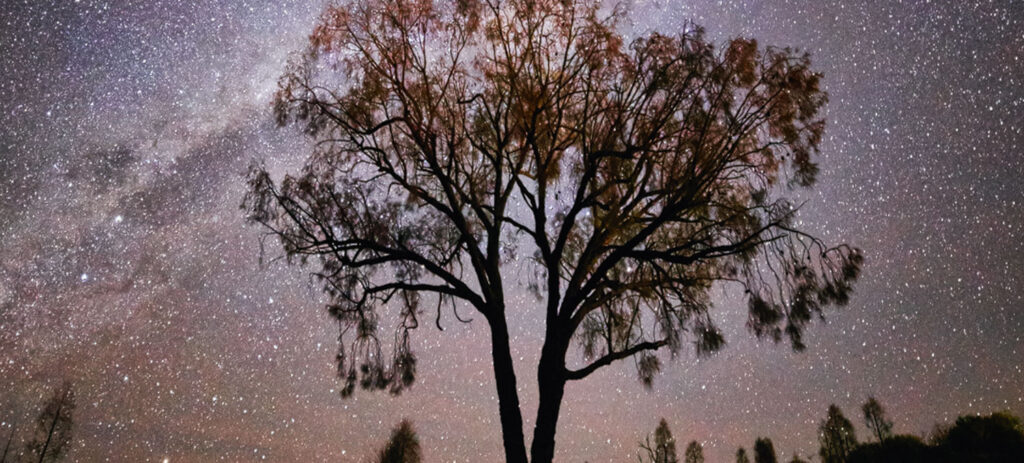
The night sky in the Outback is a living canvas, rich with stories from the Aṉangu, traditional custodians of the lands around Uluṟu. These stories are woven through the constellations, forming narratives that have been told for generations. They are more than just tales; they are integral cultural touchstones that connect the Aṉangu to their ancestry and the natural world.
One of the main figures in these sky stories is the Seven Sisters (Pleiades constellation), known by the Aṉangu as Kungkarangkalpa – a group of ancestral women who are pursued across the heavens. These stories serve as more than legend; they impart significant cultural knowledge and ethical teachings underscored by the motions of the stars.
The stars’ nightly journey forms a spiritual connection, offering lessons about the land and society that resonate deeply with the Aṉangu cultural identity. Sharing these stories under the starlit sky provides a profound sense of continuity, linking listeners to the ancestral wisdom and the cosmos itself.
Cultural Rituals and Practices
The Aṉangu’s engagement with the stars is woven into their spiritual and cultural practices. Celestial events, such as phases of the moon or specific stellar alignments, often inform their ceremonies and rituals. These rituals are not only reflective of the natural world but are integral to maintaining social structures and cultural teachings.
The interplay between the stars and cultural traditions forms a dynamic relationship where the stars guide celebrations and provide benchmarks for the passage of time. Through rituals involving dance, songs, and storytelling, the stars become a bridge between the earthly and the ethereal, marking events and seasons in the communal life.
Rituals tied to the night sky are instrumental in preserving cultural heritage and teaching younger generations about their history and values. This structured engagement with the cosmos underscores the comprehensive worldview maintained by the Aṉangu, viewing the sky not as a distant void but as a living narrative full of teachings and connections.
Legacy and Preservation
As the world modernises, the Aṉangu and other Indigenous communities are working actively to preserve their rich traditions of stargazing. These efforts not only safeguard cultural identity but also recognise the integral role the stars play in environmental and educational frameworks. Preservation involves both sharing traditional knowledge and incorporating it into broader educational and cultural experiences.
Through collaborations with cultural centers, schools, and tours such as those offered by SEIT Tours, the Aṉangu are able to share their heritage of their people to a wider audience. Bringing together story, science, and personal experience, these programs foster respect for and awareness of traditional stargazing practices.
The preservation of this legacy is crucial, as it ensures future generations maintain a strong connection to their cultural identity. This ongoing dialogue between past and present enriches both the Aṉangu community and all those who engage with their traditions.
Best Places in the Outback for Stargazing
Top Locations for Stargazing
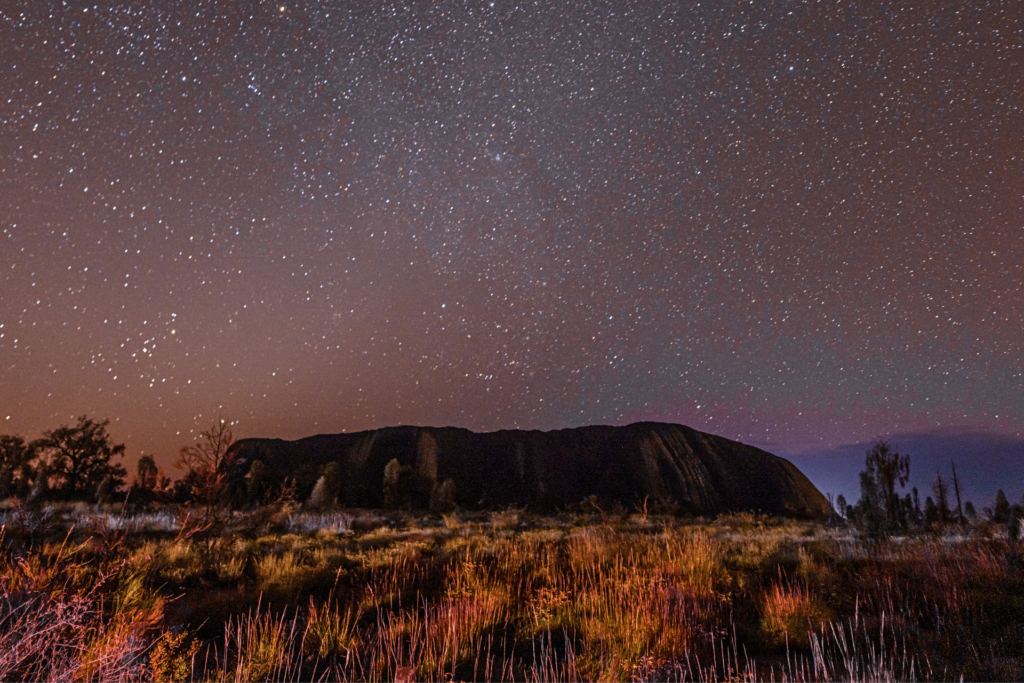
Discover some of the most meaningful places to stargaze in Australia’s Outback, where the night sky and the land are deeply intertwined. Uluṟu, long regarded as a place of profound cultural significance, offers an unforgettable experience as its silhouette rises against a sky filled with shimmering stars. Standing beneath this vast expanse can inspire a sense of wonder and connection, inviting visitors to appreciate the stories, traditions, and enduring cultural ties that have shaped this landscape for countless generations.
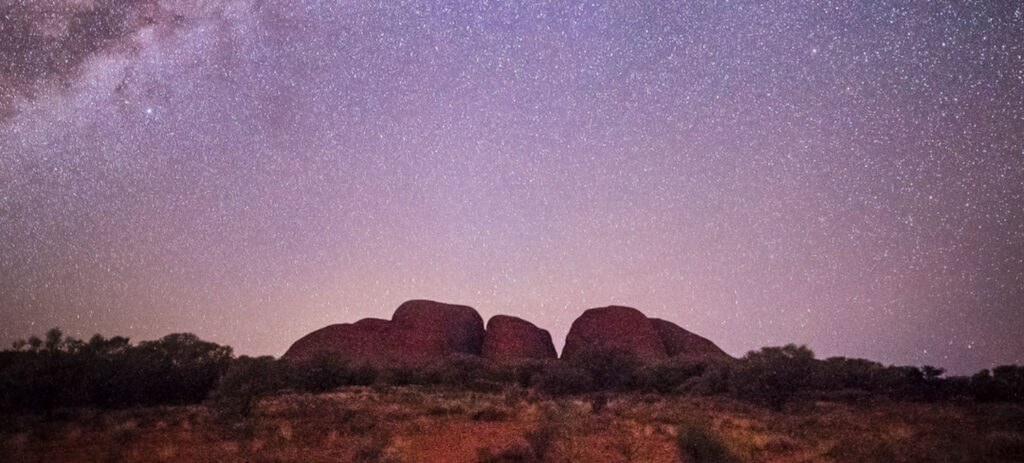
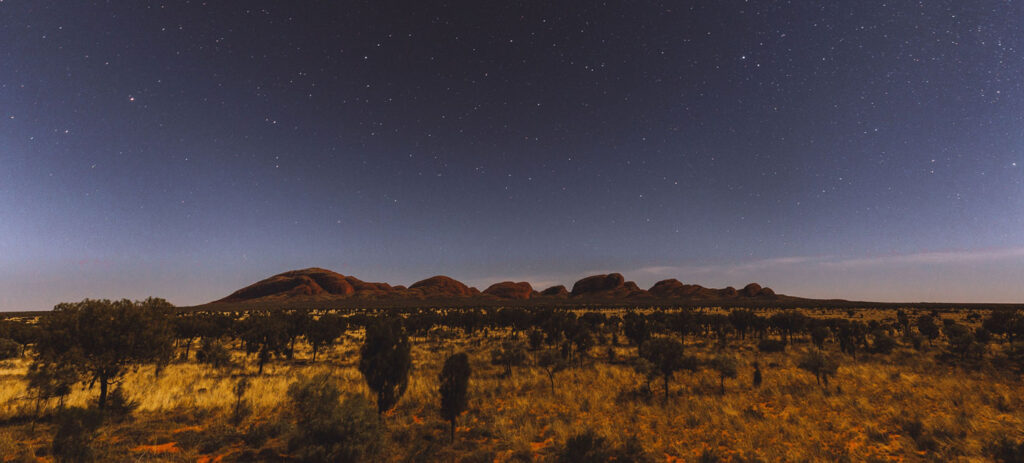
Just a short distance from Uluṟu, Kata Tjuṯa reveals its own unique magic beneath the stars. Each of its domed formations holds ancestral significance, and as the night sky glows overhead, the area feels alive with the spirit, history, and cultural heritage embedded within the land. Together, these sacred places offer a stargazing experience that is not only visually breathtaking but also deeply enriching.
Alice Springs provides its own charm with the benefit of a vibrant town offering a blend of cultural attractions and stunning views. Stargazers can immerse themselves in both terrestrial and celestial wonders, with local sites offering easily accessible vantage points for night sky observations.
Kings Canyon, located in the Watarrka National Park, provides a rugged and dramatic backdrop for stargazing. The sheer canyon walls create a natural theatre unlike any other, projecting the stars as a living artwork across the dome of night. This location offers unparalleled solitude and communion with nature’s rhythms, making each stargazing session a unique reflection on the cosmos.
Accessibility and Visitor Information
Reaching these stargazing spots is part of the adventure itself. Uluṟu and Kata Tjuṯa can be accessed via Yulara, which serves as a pathway to these stunning landscapes. Entry permits are required, typically included with park tickets, ensuring a respectful and environmentally-sensible engagement with the land.
SEIT Tours provides guided experiences at Uluṟu, offering knowledgeable insights that enrich your understanding of the region’s cultural and natural significance. Alice Springs, with its more developed tourist infrastructure, makes an ideal base for exploring the surrounding stargazing locations.
Kings Canyon, meanwhile, requires a bit more commitment in terms of travel, but the reward is an unspoiled starlit view. Accommodation at Kings Canyon ranges from campsites to lodges, allowing for various levels of comfort while still maintaining proximity to the stunning night skies.
Respect for the land and its traditions is paramount when visiting these locations, particularly those with such cultural significance. Visitors are encouraged to engage with the sites thoughtfully, appreciating both the natural beauty and the layers of cultural knowledge they represent.
Unique Features of Each Spot
Each stargazing location in the Outback offers its own distinctive qualities, deepening the sense of connection between sky and land. At Uluṟu, the quiet majesty of the rock is heightened by the gentle way it appears to glow under moonlight. The soft illumination creates a serene and immersive atmosphere that makes every stargazing experience unforgettable.
Kata Tjuṯa’s sweeping domes rise from a landscape of wide-open desert, making the surrounding area an excellent place to witness meteor showers. The region’s expansive, unobstructed skies and minimal light pollution make it a great place to see meteors streak across the horizon, an awe-inspiring display that feels both powerful and peaceful, especially when considered alongside the site’s enduring cultural significance.
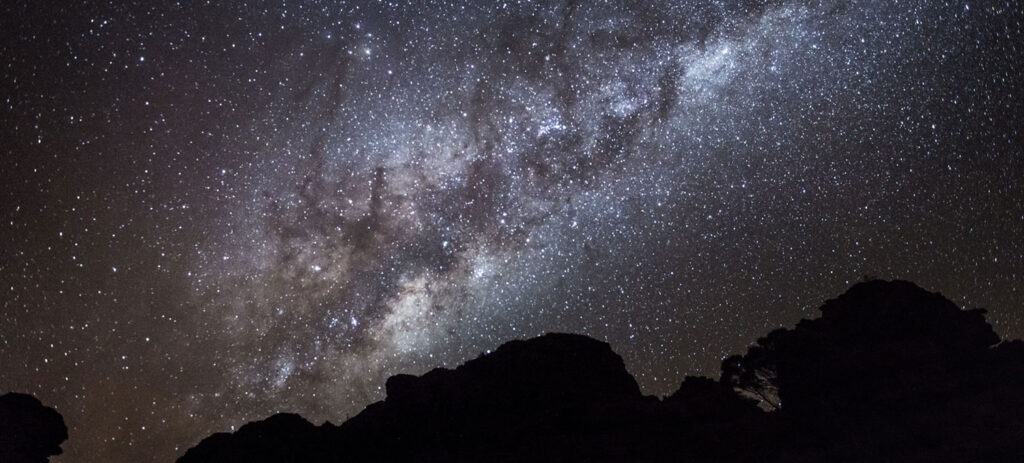
In Alice Springs, the Milky Way becomes the main attraction, stretching across the sky in a luminous arc that has long inspired local stories and interpretations. The town’s rich blend of art, culture, and astronomy adds further depth to the experience, offering visitors a chance to see the cosmos not only as a scientific wonder but also as a profound appreciation for the region’s cultural heritage.
Kings Canyon offers dramatic vistas marked by its unique geography. The wide-open views make it an ideal place to observe the rotation of the constellations, framed by the rugged beauty of the canyon itself. Here, one can witness the Southern Cross and Magellanic Clouds in a pristine setting.
What to Bring for a Stargazing Night
Essential Gear for Night Sky Viewing
Equipment is key when planning a night under the Outback sky. To maximize the stargazing experience, it’s imperative to pack the right essentials. Start with a sturdy chair or ground blanket for comfort, allowing you to gaze upwards without strain. Binoculars are an excellent choice for enhancing the view, offering a closer look at celestial features like the craters on the moon or the rings of Saturn.
A proper star map or a smartphone app can aid in identifying constellations and planets, turning the night into an interactive learning session. Essential for stargazing are red light torches, which allow you to navigate in the dark without impairing night vision – a crucial factor in a successful stargazing session in the Outback.
Dressing in layers ensures warmth as temperatures in the Outback can drop significantly after sundown. Additionally, insect repellent and a thermos of a hot drink can transform a cold night into a cozy adventure, enhancing the stargazing experience without inconvenience.
Comfort and Safety Tips
When stargazing in remote areas, safety is just as important as comfort. It’s advisable to inform someone of your plans and expected return time, especially if you’re heading to a secluded area. Travelling with a group enhances safety and can enrich the experience, allowing you to share the wonder with others.
Be aware of your surroundings, choosing a flat area free of hazards. Checking the weather forecast and moon phase before you head out helps ensure the clearest experience, new moon nights tend to offer the darkest skies. It’s also essential to stay hydrated and be prepared for rapid temperature changes with appropriate clothing.
Photography and Equipment Tips
For those wishing to capture their stargazing experiences, having the right photography equipment is vital. A camera with manual settings, accompanied by a sturdy tripod, is essential for high-quality sky photography. Wide-aperture lenses help capture more light and finer details of the stars.
Understanding long exposure techniques can enable mesmerising photographs of star trails or detailed shots of particular constellations. Pay attention to exposure time and ISO settings; adjusting these can vastly affect the final image, helping to achieve the perfect balance between light and shadow.
Including elements of the landscape in your photographs adds depth and context, bringing the Outback’s monumental features into the celestial scene. With patience and practice, you’ll capture images that reflect the serene majesty of the stars, immortalising a night under the Outback sky.
FAQ Section
What time is best for stargazing in the Outback?
The best time for stargazing in the Outback is during new moon phases when the absence of moonlight allows the stars to shine their brightest. Ideal viewing hours span just after twilight until midnight, maximizing the clarity and brilliance of the stars.
Why is the Outback ideal for stargazing compared to other locations?
The Outback provides ideal stargazing conditions with its geographical isolation and dry atmosphere. The lack of light pollution and clear skies ensure a crisp view of the celestial landscape that’s unmatched in urban centres.
How can I respectfully engage with Indigenous stargazing traditions?
To engage respectfully, consider participating in tours or cultural programs that include Indigenous perspectives on stargazing. Always approach these situations with openness and respect for the stories and traditions shared.
What safety precautions should I take while stargazing in remote areas?
Safety involves planning thoroughly. Inform someone of your itinerary, equip yourself with essentials like water and a first-aid kit, and dress appropriately for changing temperatures. This ensures both a safe and enjoyable stargazing venture.